
The Elements
Eight movements
of one composition.
01
Intention
The compass.
Every practice begins with a question you choose to carry in. It may be as small as what does my body need today, or as wide as what wants to emerge.
An intention is not a goal to achieve. It is a direction to face.
The less force we place around the answer, the more room there is for something unexpected to arrive.
02
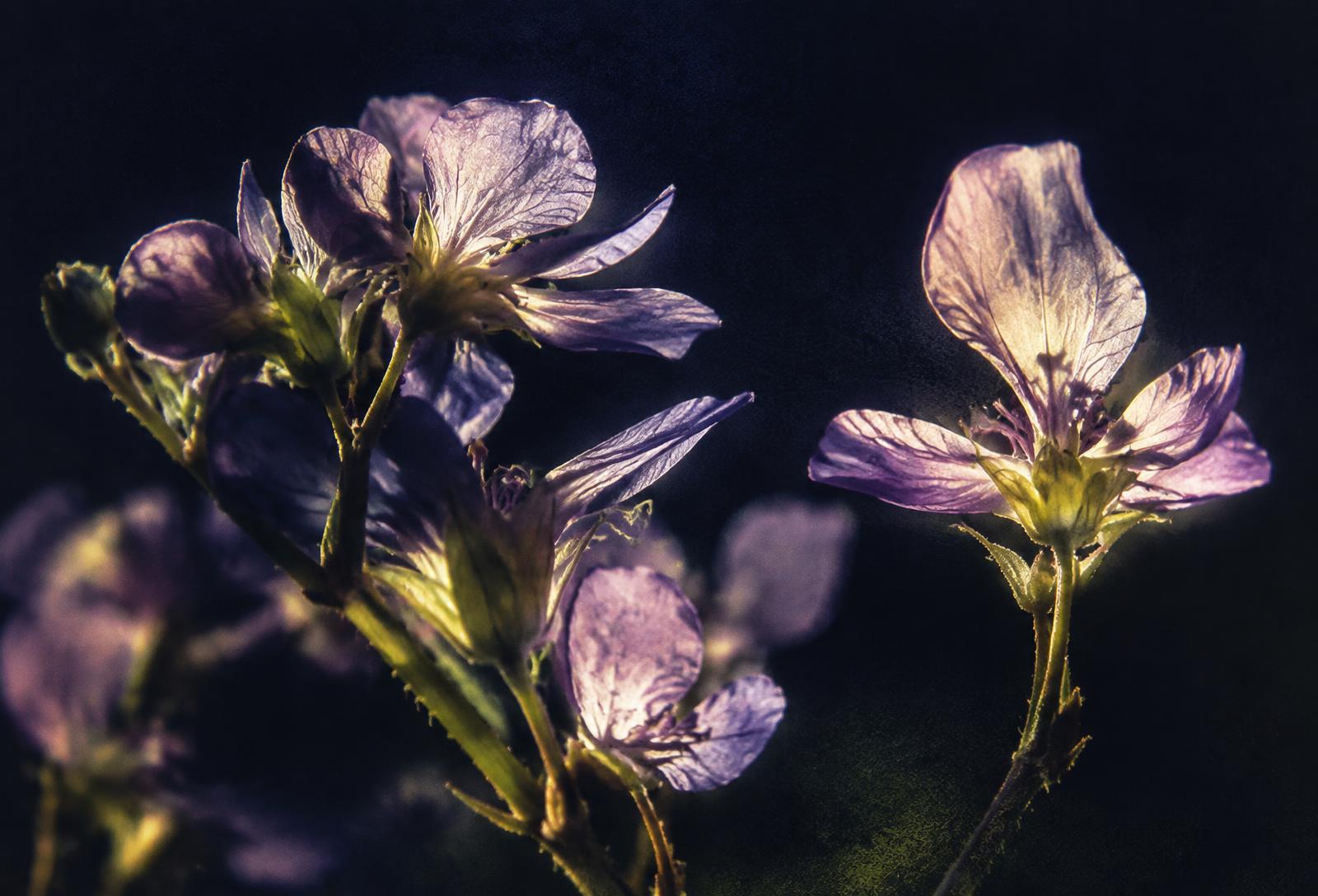
Plant
The companion.
A flower essence, a lavender hydrosol, a sprig picked on a walk. Plants are invited, never required.
Place what you have nearby. Notice whether one draws your attention. If it does, acknowledge it, thank it, and ask it to accompany the intention.
Use every plant product only as its maker directs. The practice is complete without one.
03
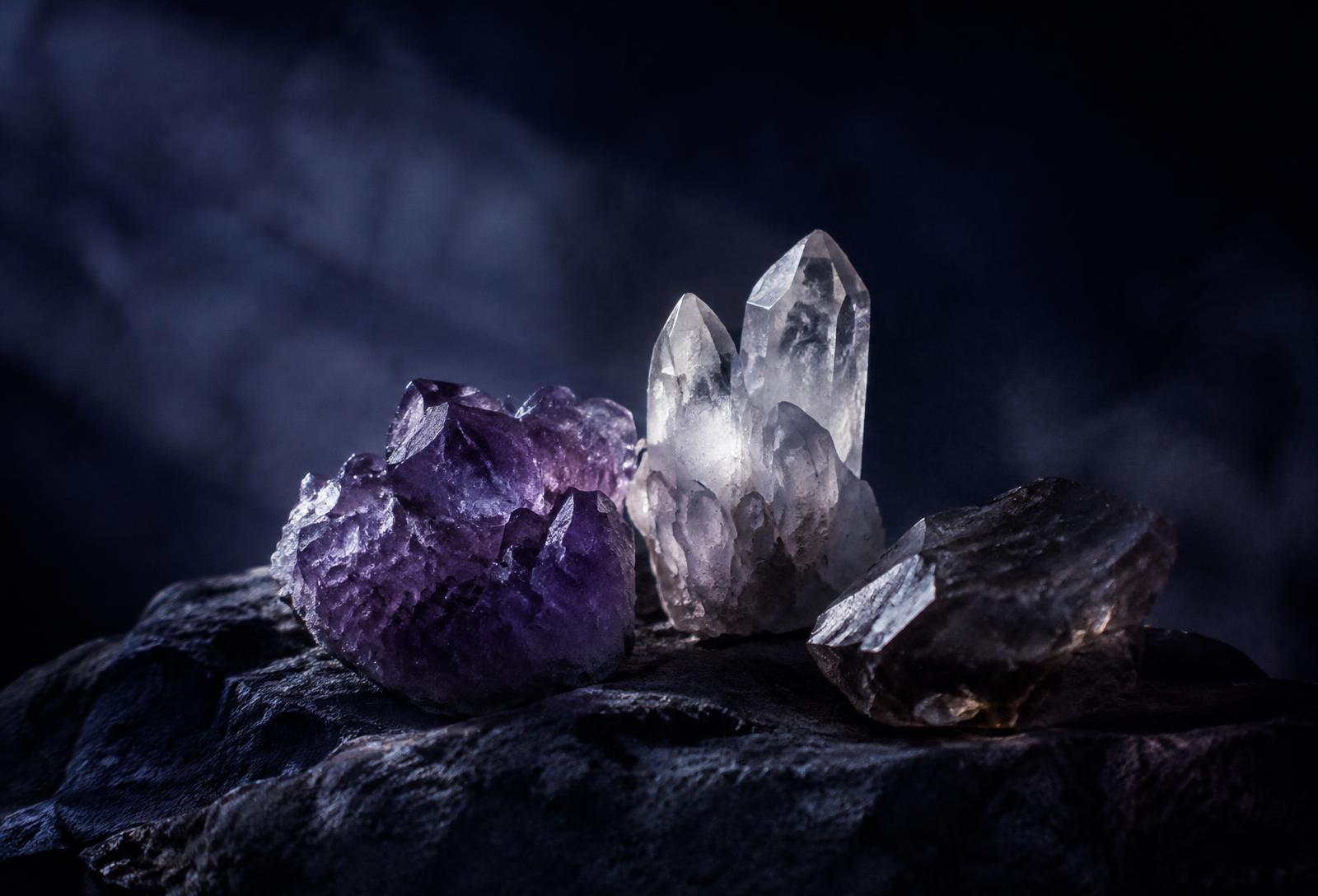
Crystal
The amplifier.
Every crystal carries its own quality. Some are known for release, some for grounding, some for clarity — each a different kind of listening.
Choose by feel rather than by name. Hold one, or rest it on the body where attention gathers, and notice whether anything shifts.
Crystals are invited, never required. The practice is complete without one.
04
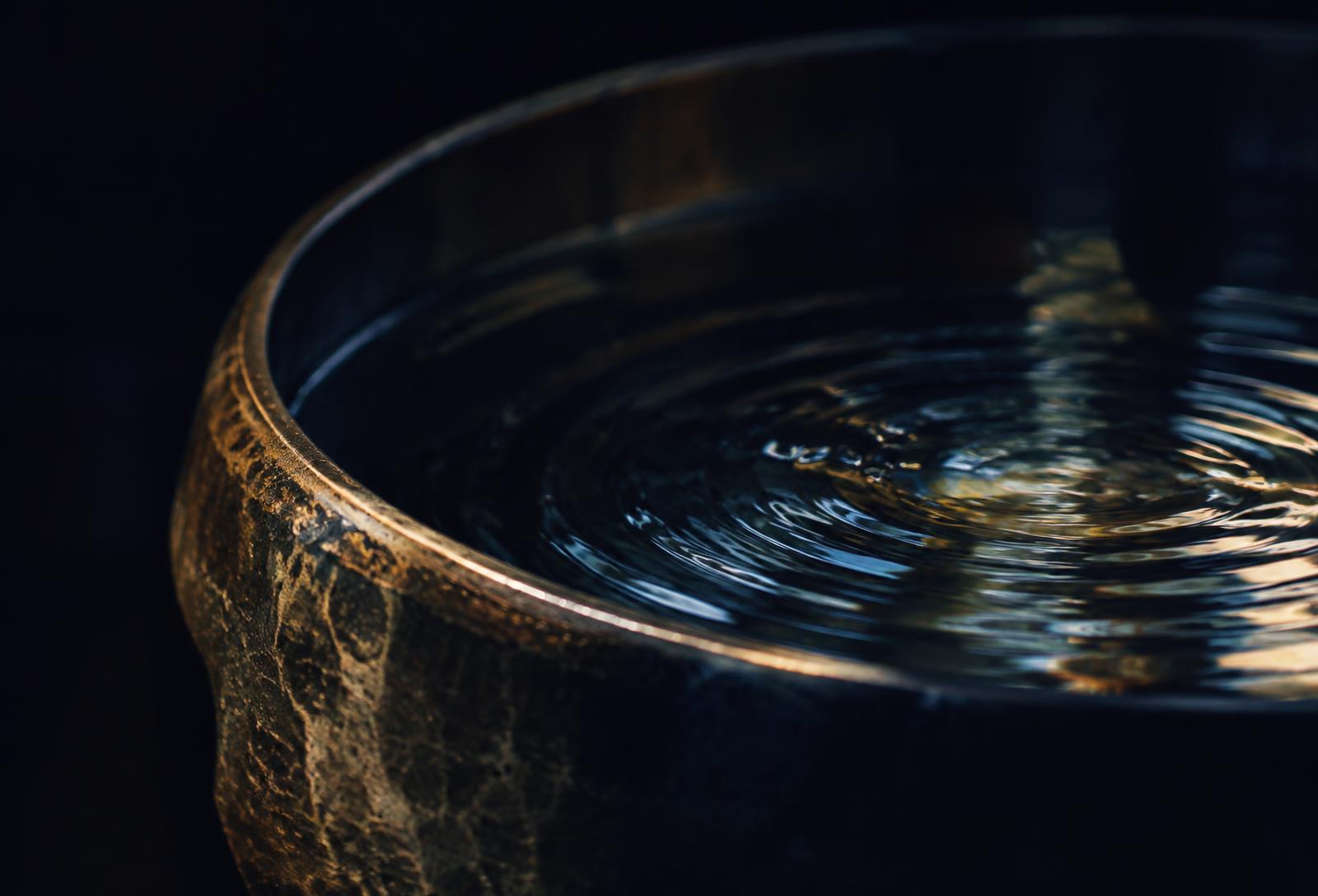
Sound
The thread.
A singing bowl, a bell, a wind chime. Sound gives the mind something simple to return to.
Listen to the tone until it completely disappears. Then move inside that listening.
When attention wanders, come back to sound and body. The thread is always there.
05
Body
The instrument.
The body is not something to be corrected here. It is something to be heard.
Tension, warmth, a place that wants pressure, a place that wants rest — each is information.
You are invited to follow what the body is already saying.
06
Movement
The language.
Yoga, Pilates, stretching, rolling, strength, stillness. Whatever you already know may arise on its own.
Nothing has to look like exercise. A finger moving slowly is movement. Waiting is movement.
The instruction is to listen, and let the vocabulary follow.

07
Receiving
The opening.
When ordinary attention grows quieter, images, phrases and ideas sometimes surface.
Keep a journal close. Write only enough to catch what came, then return to sound and body.
Do not leave the practice to chase the idea. It will still be there.
The Creative Act: A Way of Being by Rick Rubin offers an optional reading companion for this kind of attention. Let a passage open a question, then explore it through your connection with the earth and the body.
08
Integration
The return.
When the body says complete, stop. Return to stillness and stay as long as you like.
Thank the plant if one accompanied you. Read what you captured.
Often there are more possibilities than you can act on. Follow the one that feels most alive.
Nothing works alone.
The practice exists in the relationship between them.